Choosing a good property manager in the Hills District comes down to one main test, which is how well will they protect your rental income and your legal position when something goes wrong? Most managers look pretty much the same as long as a property is leased and the rent is arriving on time. The differences show up during a vacancy, a late payment, a pet request, or a termination notice (that has to be given correctly under NSW rules that have changed several times since late 2024).
This guide is for landlords and investors in Kellyville, North Kellyville, Box Hill, and Gables, whether they are appointing a manager for the first time or thinking about switching.
What does a poor property manager cost a landlord?
Management fees are the cost most landlords compare first. The larger costs of poor management tend to be less visible, and they usually arrive in three places.
Vacancy days. Every week a property sits empty is a week of rent that can’t be recovered later. Slow marketing, an unrealistically high asking rent, or applications left waiting for days can all stretch a vacancy. In growth suburbs like Box Hill and Gables, where new homes continually come onto the rental market, an overpriced listing can sit while similar homes nearby are leased.
Arrears. Unpaid rent is easiest to deal with early. A manager who contacts the tenant promptly, records each step, and knows when a formal notice is appropriate keeps your options open. A manager who waits several weeks before acting generally leaves you with a larger debt to recover.
Compliance risk. NSW Fair Trading says heavy penalties apply to landlords or agents who give a termination notice on a ground that is not genuine, or who supply false or misleading supporting documents. It also makes clear that landlords remain responsible for complying with residential tenancy laws, whoever manages the property. Appointing a manager shares the work, while the legal responsibility stays with you.
Why Box Hill and Gables call for a particular kind of manager
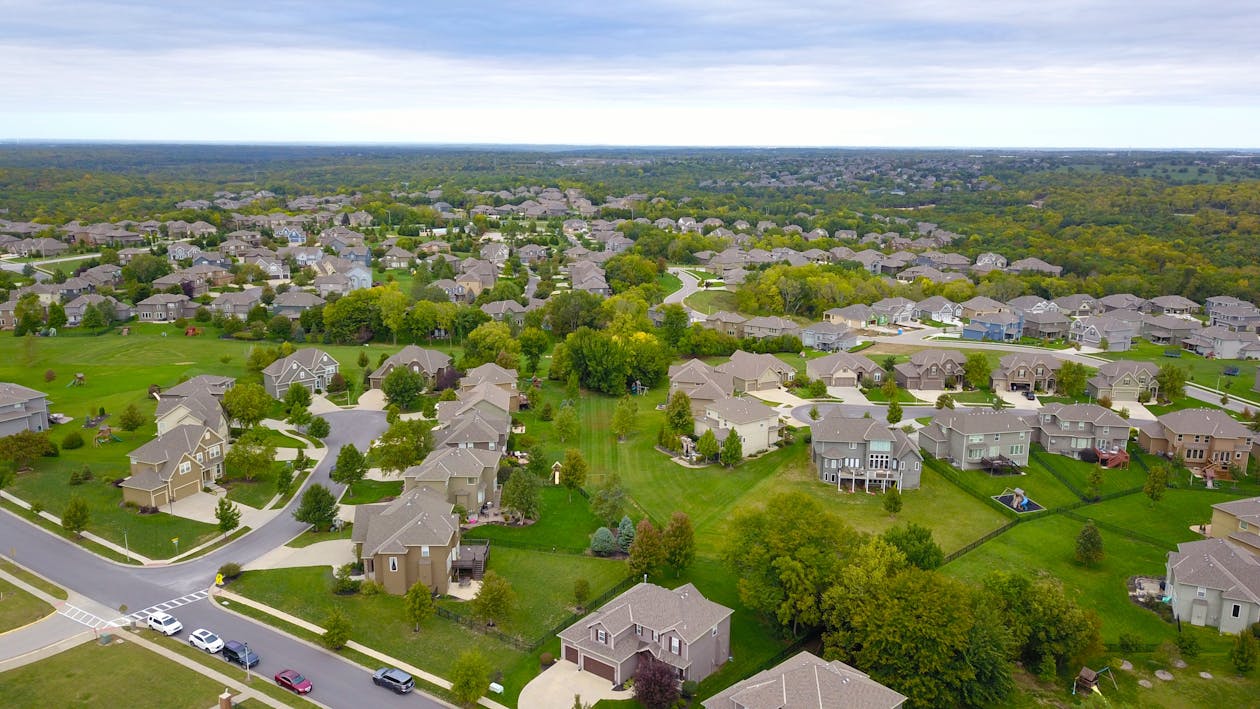
Box Hill and Gables are among the newest parts of the Hills District, and much of the housing there is recently built. That changes what a landlord needs from a manager in a few practical ways.
New homes come with statutory warranties under the Home Building Act 1989 (NSW), which are six years for major defects and two years for other defects, counted from completion of the work. Defects often only become apparent once someone is living in the home. A manager who records issues carefully in the ingoing condition report (the record of the property’s condition when a tenant moves in) and at each routine inspection, then reports them promptly, gives you the evidence you need to raise a warranty claim while the period is still running.
Some estates also have community title (shared ownership of common areas such as parks or private roads within an estate) or strata by-laws that sit alongside the lease. A manager who understands how the local estates work can explain those rules to tenants before they turn into disputes. Gables in particular is still developing, and First National Kellyville’s Gables suburb profile covers the schools, transport, and shops that are open now and what’s still to come.
Questions to ask before signing a management agreement
NSW Fair Trading publishes a list of questions it suggests landlords ask before selecting an agent. These are the ones that tend to separate a careful manager from a busy one:
- What are the fees, and what is included and excluded? Ask for every charge in writing, including the ones that only apply occasionally.
- Who will look after my property day to day, and how many properties do they manage? Fair Trading also suggests asking how long the property manager has been with the agency.
- How do you find and screen tenants? A good answer describes each step, from advertising and inspections to checking references and comparing applications.
- What happens when rent is late? Ask for the steps and the timing, from the first reminder to a formal notice.
- How are repairs handled, and do you check the work once it is done? Agree on a dollar amount above which the manager needs your approval before proceeding.
- How often will you inspect, and will I receive the reports? Photographs and written notes matter, particularly for a newer home still under warranty.
- How often have you appeared at the NSW Civil and Administrative Tribunal (NCAT), and with what results?
Finally, confirm the person is licensed. In NSW, a managing agent must be a licensed real estate agent or an assistant agent working under a licensee’s supervision. You can check a licence through Service NSW or by calling NSW Fair Trading on 13 32 20.
How are property management and letting fees structured in NSW?
Most NSW agencies charge two core fees. A letting fee applies when they find and sign a new tenant, and an ongoing management fee covers the day-to-day running of the tenancy. According to NSW Fair Trading, most agents calculate these as a percentage of the gross weekly rent, with the percentages set out in the management agency agreement.
Other charges can include advertising, preparing the tenancy agreement, and representing you at the Tribunal if a dispute goes that far. Since 31 October 2024, NSW law has expressly prohibited passing start-of-tenancy costs such as background checks or lease preparation on to tenants.
Fees and conditions in a management agreement are negotiable. When comparing quotes, the percentage on its own tells you very little. Check how many routine inspections are included each year, whether lease renewals or tribunal attendance cost extra, and what you will receive at the end of the financial year.
Your obligations under the Residential Tenancies Act 2010 (NSW)
NSW rental law has changed in stages since October 2024, and the most recent changes started on 21 September 2026. A good manager should be able to explain each of the following clearly, because each one affects how your property is run.
Ending a tenancy now requires a reason
Since 19 May 2025, landlords need a valid reason to end both fixed-term leases and periodic leases (those with no fixed end date). Accepted reasons include the tenant breaching the agreement or not paying rent, selling the property with vacant possession, significant renovations, the landlord or their family moving in, and the property no longer being used as a rental. Some reasons require supporting documents, and the landlord must give the tenant a termination information statement with the notice.
Notice periods depend on the reason and the lease. For a proposed sale, significant renovations, or an owner moving in, the minimum is 60 days for a fixed term of six months or less, and 90 days for a longer fixed term or a periodic lease. Some reasons also trigger a re-letting restriction. For example, a landlord who ends a lease because the property will no longer be rented may be restricted from re-letting it for up to 12 months without approval from NSW Fair Trading.
Rent increases
Rent can be increased only once every 12 months, and not within the first 12 months of a tenancy. This now applies to all lease types. The tenant must receive written notice at least 60 days before the increase takes effect, and a tenant who believes an increase is excessive can apply to the Tribunal.
Pets
Tenants can apply to keep a pet, and the landlord must respond within 21 days or the request is automatically approved. A refusal must rely on one of the grounds set out in the regulations, such as the property being unsuitable for the animal or the animal being likely to cause damage beyond what the bond would cover. Landlords cannot raise the rent or the bond as a condition of approval. Strata by-laws that ban all pets are not a valid reason to refuse, and rental listings can no longer state that pets are not allowed.
Rent payments and safety
Tenants must be offered a fee-free electronic bank transfer option and, since 2 March 2026, payment through Centrepay if they choose it. They cannot be required to use a particular app. Landlords must also make sure smoke alarms are working and are checked every year, and that obligation cannot be shifted to the tenant through the lease.
The newest changes
Changes that started on 21 September 2026 strengthen protections for tenants affected by domestic violence. One also affects everyday management directly, in that a landlord or agent must now give seven days’ notice before taking photos or video for advertising, and needs the tenant’s written consent before publishing images that show the tenant’s belongings. If your manager photographs occupied properties for re-leasing or sale, this should already be part of their process.
How do you switch property managers in NSW?
Your tenancy agreement is between you and your tenant, so it continues as normal when you change managers.
Start with your current management agreement, which will state the notice period required to end it. NSW Fair Trading notes that the agreement can also be ended at any time if you and the agency both agree. Give notice in writing, and ask the outgoing manager to confirm how the tenancy records, keys, and other items will be transferred to the new agency.
Once you have signed with the new agency, the rental bond record needs to be updated. A change of managing agent form goes to the Rental Bonds Board so the bond is allocated to the incoming agency. Your tenant should then receive the new agency’s contact details and rent payment information. Many incoming agencies handle most of this handover on the landlord’s behalf, so ask what is included before you sign.
Property management with First National Kellyville
First National Kellyville manages rental properties across Kellyville, North Kellyville, Box Hill, Gables, and surrounding suburbs from its office at 13/21 Hezlett Road, North Kellyville NSW 2155. Property management is led by Rajwant Kaur, director and property manager. You can learn more on the Our Team page.
The agency is independently owned and part of First National, a member-owned, not-for-profit cooperative. On realestate.com.au, the office holds a 5.0 rating from 135 reviews, published under the team’s current and former brand, with clients most often mentioning professionalism, trust, and communication. Why Lease With Us explains how the team approaches leasing and management. If you are weighing up a change, or leasing a Box Hill or Gables home for the first time, a rental appraisal is a straightforward place to start, or you can call the office on 02 9025 9599.
Frequently asked questions
How much does a property manager cost in the Hills District?
In NSW, most agencies charge an ongoing management fee and a separate letting fee, each calculated as a percentage of the gross weekly rent and set out in the management agency agreement. Fees are negotiable, so compare what each quote includes, such as routine inspections, lease renewals, and tribunal representation.
How do I switch property managers in NSW?
Check your current management agreement for the required notice period, then give written notice. The agreement can also end at any time by mutual agreement. Ask the outgoing agency to confirm how records, keys, and other items will be handed over, and lodge a change of managing agent form with the Rental Bonds Board. The tenant’s lease continues unchanged when management moves to a new agency.
What does a property manager do for a landlord?
In NSW, a managing agent finds and screens tenants, prepares the tenancy agreement, lodges the bond, and runs the tenancy day to day. That includes collecting rent, arranging repairs, conducting routine inspections, managing disputes, and paying bills such as council and water rates. Rent is paid to the landlord, less authorised expenses, at the end of each calendar month unless the landlord instructs otherwise.
Do I need a property manager for a Box Hill or Gables investment property?
No, NSW landlords can self-manage, but they must follow residential tenancy law themselves, including the rules introduced in 2025 and 2026. Many investment properties in Box Hill and Gables are newer homes still under statutory building warranties, where careful inspection records help with defect claims. Landlords who live elsewhere, are short on time, or are unfamiliar with current law often find a licensed manager worthwhile.
Can a landlord end a lease without a reason in NSW?
No. Since 19 May 2025, NSW landlords need a valid reason to end both periodic and fixed-term leases, such as a sale with vacant possession, significant renovations, the owner moving in, or a breach by the tenant. Some reasons require supporting documents, and minimum notice periods apply. Penalties apply where the stated reason is not genuine.
How often can a landlord increase the rent in NSW?
Once every 12 months, and not within the first 12 months of a tenancy. The rule applies to all lease types. The landlord or agent must give the tenant written notice at least 60 days before the new rent starts, stating the new amount and the date it applies. Tenants can ask the Tribunal to review an increase they consider excessive.
Can a landlord refuse a tenant’s pet in NSW?
Only on specific grounds, such as the property being unsuitable for the animal, the likelihood of damage exceeding the bond, or the pet breaching a law or valid by-law. The landlord must respond to a pet application within 21 days, or it is automatically approved. A higher rent or bond cannot be a condition of approval, and blanket strata pet bans are not valid.
Is a landlord still responsible if their property manager makes a mistake?
Yes. NSW Fair Trading states that landlords remain responsible for complying with residential tenancy laws, even when an agent manages the property. Agents also carry their own compliance obligations. Choosing a licensed, experienced manager and reading the management agency agreement carefully are the most practical ways a landlord can reduce that risk.
How do I check that a property manager is licensed in NSW?
Use the real estate licence check on the Service NSW website, or call NSW Fair Trading on 13 32 20. A managing agent must hold a real estate licence, or hold a certificate of registration as an assistant agent and work under a licensed agent’s supervision. Only a licensed agent can sign the management agency agreement with the landlord.